

ABOUT KC CUTTING TOOLS
KC Cutting Tools is the registered brand of Kama Kesici Takımlar, a Turkish manufacturer of tungsten carbide inserts and toolholders. The company was established to meet growing demand for cutting tools in the machining industry, and has built its name on producing tooling for turning, milling, drilling, boring and grooving operations.
KC develops its own inserts and toolholders to its own internal standards, giving it more control over quality and consistency than a reseller of third-party stock. The brand’s range is used across the machinery, automotive and defence manufacturing sectors in Turkey, and Erikor now brings that same range to the South African market as the brand’s sole authorised local distributor.
Industries Served
Machining Processes Covered
Sole SA Distributor
KC CUTTING TOOLS PRODUCTS
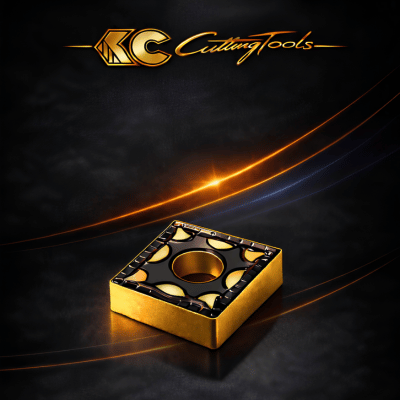
Carbide Cutting Tool Inserts
A Full Range for Turning, Milling and Holemaking
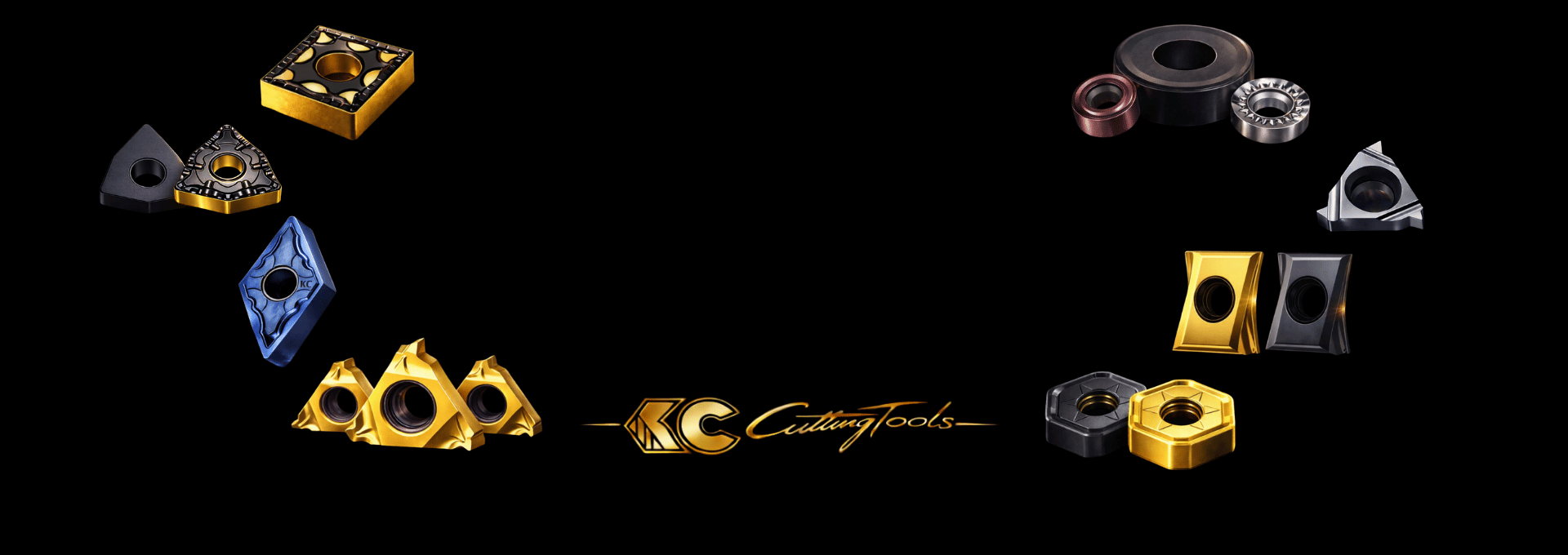
KC Cutting Tools produces tungsten carbide inserts for a wide range of machining operations. The range is manufactured to KC’s own internal standards and covers the core processes used across automotive, machinery, defence, aluminium, mould-making and medical component manufacturing.
Product Range
- Turning inserts
- Milling inserts
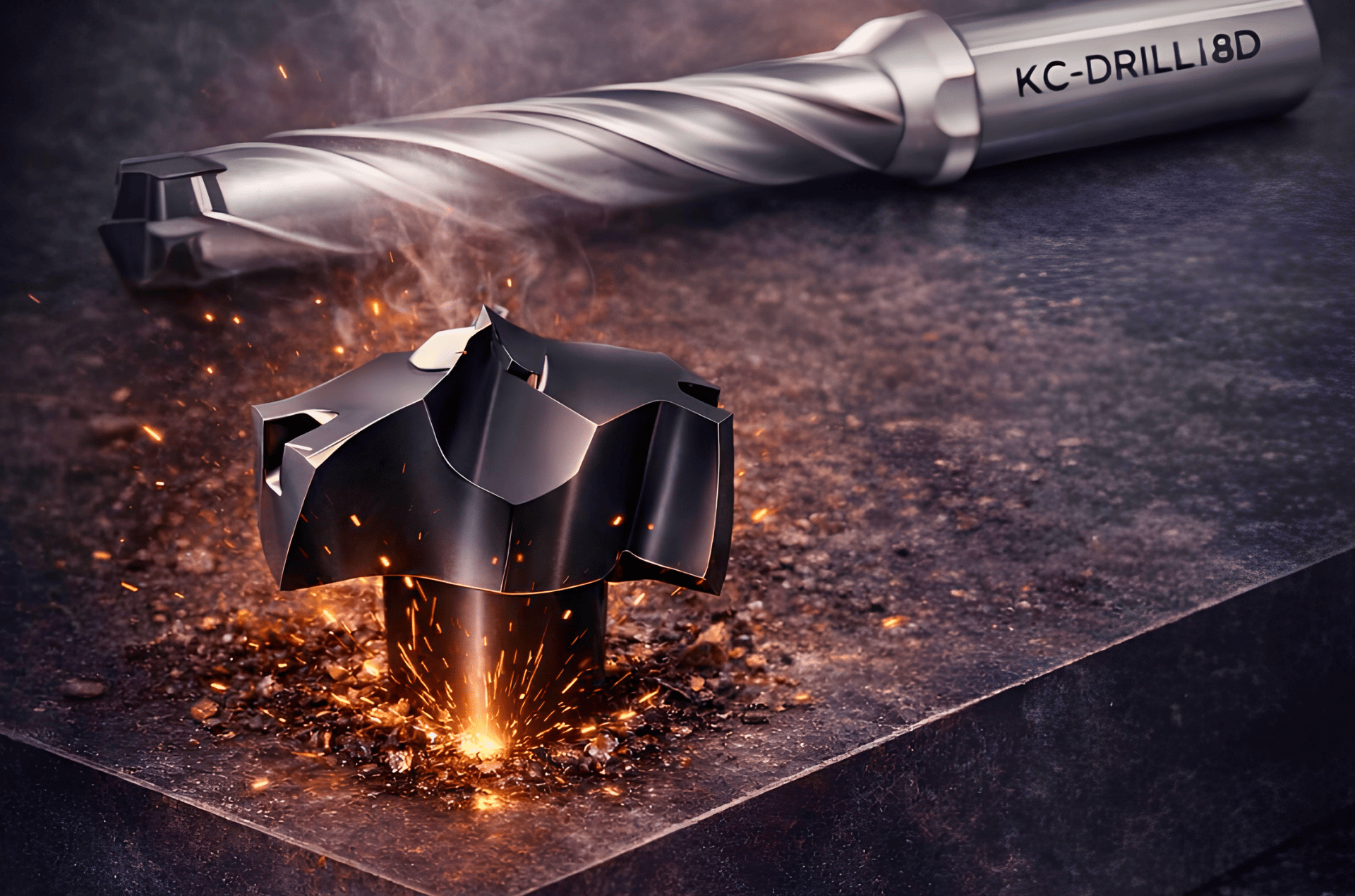
- Drilling inserts
- Boring inserts
- Grooving inserts
Browse the KC Cutting Tools Catalogue
A complete overview of the KC Cutting Tools insert range.
Browse the full KC Cutting Tools insert range in one place. The catalogue covers KC’s carbide inserts for turning, milling, drilling, boring and grooving, giving you an easy way to see what’s available before you speak to an Erikor rep about your specific application.
OR
Not sure which tool is right for your application? Our reps can work through the catalogue with you and recommend the best option for your specific job.
Why Workshops Choose KC Cutting Tools
Manufactured to KC's Own Standard
KC designs and produces its own carbide inserts rather than reselling third-party stock.
Full Insert Range
Carbide inserts covering turning, milling, drilling, boring and grooving in one range.
Proven Across Industries
Used in automotive, machinery, defence, aluminium, mould-making and medical component manufacturing.
Sole SA Distributor
Erikor Engineering Supplies is the only authorised source of KC Cutting tools in South Africa.
Delivered Across South Africa
Order from Edenvale headoffice and get your tools delivered nationwide, free on orders over R1,500.
Local Application Support
Our reps know the product range and can visit your workshop to help you spec the right tool for the job.
Frequently Asked Questions
When should I use a cermet insert instead of a carbide insert?
Cermet inserts use a titanium-based hard particle structure rather than tungsten carbide, and that difference shows up mainly in finish quality and wear behaviour. Cermet holds a sharper edge for longer at higher speeds, which makes it a strong choice for finishing passes on steel and stainless steel where you need a good surface finish and tight tolerances without a separate grinding operation. It’s not the right choice everywhere though. Cermet is more brittle than carbide, so it doesn’t handle interrupted cuts, heavy shock loads or roughing operations well, and it’s not suited to materials like aluminium or high-temperature alloys where carbide or other grades perform better. The general rule is carbide for roughing and general-purpose work, cermet for finishing where surface quality matters most.
If you’re not sure whether your job is a cermet application or not, it’s worth checking with an Erikor rep before you commit, since picking the wrong one usually shows up as chipping or a finish that doesn’t hold up.
How do I choose the right insert grade for my material?
Grade selection comes down to matching the carbide substrate and coating to what you’re cutting and how you’re cutting it. Harder, more wear-resistant grades suit continuous cuts in steel where heat build-up is the main concern, while tougher, more shock-resistant grades handle interrupted cuts, castings or scale better without chipping. Stainless steels tend to work-harden, so you need a sharper edge geometry and a grade that resists built-up edge rather than pure wear resistance. Aluminium and non-ferrous materials usually call for an uncoated or PVD-coated grade with a polished rake face to stop material sticking to the edge. Getting this wrong doesn’t always mean tool failure, but it often shows up as poor surface finish, premature wear or unpredictable tool life.
Since the right grade depends on your specific material spec, cutting speed and machine rigidity, it’s worth talking it through with an Erikor rep so we can match a grade to your actual job rather than a general guess.
Will KC inserts fit the toolholders I'm already using?
In most cases, yes. KC manufactures its inserts to standard ISO insert designations, the same coding system used across the industry for shape, clearance angle, size, tolerance and chipbreaker style. This means a KC insert with the correct ISO code will physically fit a compatible toolholder from another brand, as long as the holder is built to the same ISO pocket standard. Where it gets more specific is the chipbreaker geometry and clamping style, since these can vary slightly between manufacturers even within the same ISO code, which sometimes affects chip control or seating rather than fit itself. It’s also worth checking insert thickness and shim seat compatibility on older or non-standard holders.
Rather than guessing off a spec sheet, send us your current holder details or a photo of the insert you’re replacing, and an Erikor rep can confirm compatibility before you order.
What's the difference between a pressed threading insert and a ground insert?
The difference comes down to how the thread profile is formed. Pressed inserts are moulded to shape before sintering, which makes them more cost-effective and perfectly adequate for general-purpose threading where tolerances aren’t especially tight. Ground inserts are sintered first and then precision-ground to the final thread profile, which gives a sharper, more consistent cutting edge and tighter dimensional accuracy. That translates into a better thread finish and more repeatable results, particularly on harder materials or where you’re chasing a specific thread class. The trade-off is cost, ground inserts run more expensive to produce, so they’re not always necessary for every job. If you’re threading softer materials at standard tolerances, a pressed insert will usually do the job well and save you money.
If you need a fine finish, tight tolerance thread, or you’re working a tougher material, it’s worth speaking to an Erikor rep about stepping up to a ground insert.
Need Help Choosing the Right Tool?
Our team is ready to help you find the right tool for the job. Fill in the form and one of our reps will get back to you shortly.